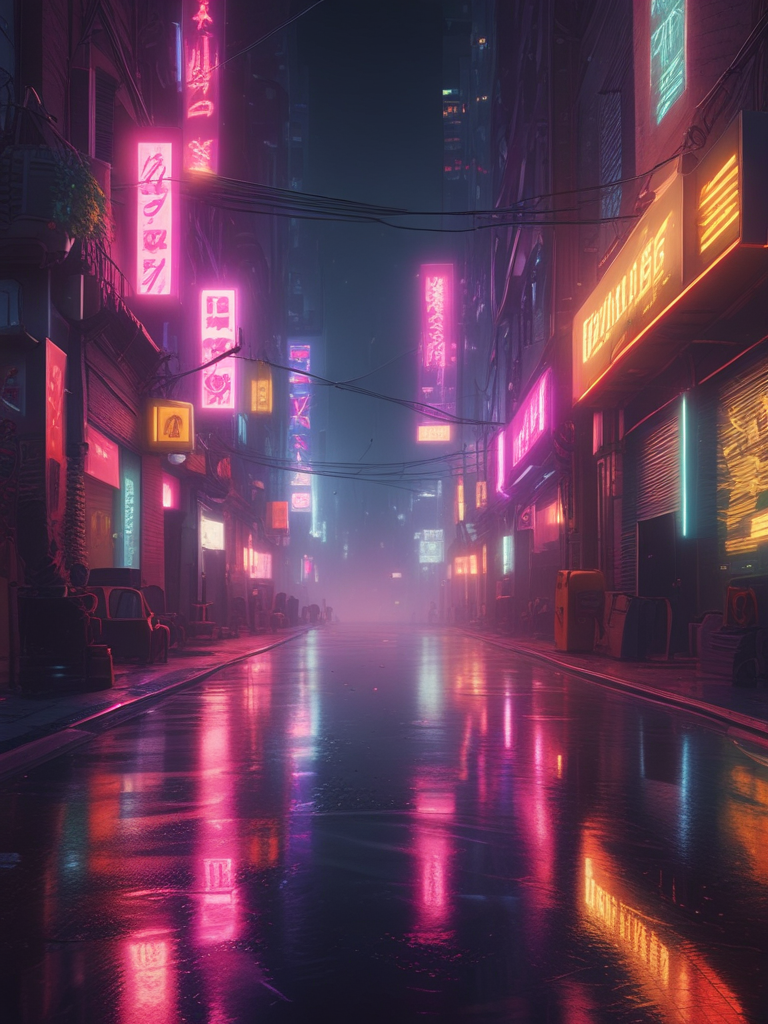
Dans le domaine de la generation d'images par IA, vitesse et qualite sont souvent contradictoires. Les modeles de diffusion traditionnels necessitent 50-100 etapes pour generer des images de haute qualite, mais SDXL-Lightning a completement change ce paradigme, generant des images epoustouflantes en seulement 4 etapes.
Qu'est-ce que SDXL-Lightning ?
SDXL-Lightning est un modele revolutionnaire de generation d'images IA developpe conjointement par Stability AI et ByteDance. Base sur l'architecture Stable Diffusion XL (SDXL), il realise une generation ultra-rapide grace a des techniques de distillation innovantes.
Avantages Techniques Principaux
- Ultra Rapide : Seulement 4 etapes d'inference, 10-25x plus rapide que les modeles traditionnels
- Preservation de la Qualite : Maintient une sortie de haute qualite tout en ameliorant dramatiquement la vitesse
- Distillation Innovante : Utilise des techniques avancees de distillation de connaissances pour l'optimisation du modele
- Integration Facile : Entierement compatible avec l'ecosysteme SDXL
Analyse Technique Approfondie
Limitations des Modeles de Diffusion Traditionnels
Les modeles de diffusion traditionnels (comme Stable Diffusion) necessitent des processus de debruitage multi-etapes pour generer des images :
- Debut par Bruit Aleatoire : Commencer avec une image de bruit pur
- Debruitage Progressif : Chaque etape predit et supprime une portion du bruit
- Optimisation Iterative : Necessite generalement 20-100 etapes pour obtenir des images claires
- Intensif en Calcul : Chaque etape necessite une inference complete du reseau neuronal
La Percee de SDXL-Lightning
SDXL-Lightning realise la generation en 4 etapes grace aux technologies suivantes :
1. Technologie de Distillation Progressive
Modele Enseignant (50 etapes) → Modele Eleve (25 etapes) → Modele Eleve (12 etapes) → Modele Eleve (4 etapes)
- Transfert de Connaissances : Les connaissances du grand modele sont progressivement transferees aux modeles plus petits
- Assurance Qualite : Chaque niveau de distillation assure aucune degradation significative de qualite
- Optimisation d'Efficacite : Le modele final atteint la qualite originale en seulement 4 etapes
2. Fonction de Perte Adversariale
# Concept simplifie de fonction de perte
total_loss = distillation_loss + adversarial_loss + feature_matching_loss
- Perte de Distillation : Assure que la sortie du modele eleve approche celle du modele enseignant
- Perte Adversariale : Ameliore le realisme des images generees
- Correspondance de Caracteristiques : Maintient la coherence des caracteristiques intermediaires
3. Strategie d'Echantillonnage Optimisee
SDXL-Lightning utilise des planificateurs d'echantillonnage speciaux :
- Etapes Non-lineaires : Distribution inegale des pas temporels
- Echantillonnage aux Points Cles : Focus sur les etapes critiques du processus de debruitage
- Ajustement Adaptatif : Ajustement dynamique base sur le contenu de l'image
Analyse Comparative des Performances
Comparaison de Vitesse
| Modele |
Etapes d'Inference |
Temps de Generation* |
Vitesse Relative |
| Stable Diffusion XL |
50 etapes |
~10s |
1x |
| SDXL-Turbo |
1 etape |
~0.8s |
12.5x |
| SDXL-Lightning |
4 etapes |
~2s |
5x |
*Base sur tests GPU NVIDIA A100
Evaluation de la Qualite
Evaluee a travers plusieurs metriques :
- Score FID : SDXL-Lightning a 4 etapes approche la qualite du SDXL original a 50 etapes
- Score CLIP : La correspondance texte-image reste a des niveaux eleves
- Evaluation Humaine : Les tests a l'aveugle des utilisateurs montrent 85% de difficulte a distinguer les differences
Application dans CubistAI
Integration du Modele
Raisons pour lesquelles CubistAI a choisi SDXL-Lightning comme moteur principal :
- Experience Utilisateur : La generation en 4 etapes ameliore dramatiquement la vitesse de reponse
- Rapport Cout-Efficacite : Reduit la consommation de ressources de calcul, diminue les couts de service
- Assurance Qualite : Maintient une qualite de sortie d'image de niveau professionnel
- Completude des Fonctionnalites : Supporte toutes les fonctionnalites avancees SDXL
Implementation Optimisee
# Configuration optimisee de CubistAI
config = {
    "model": "bytedance/sdxl-lightning-4step",
    "steps": 4,
    "guidance_scale": 0,  # Reglage optimal pour le modele Lightning
    "scheduler": "K_EULER",
    "resolution": "1024x1024"
}
Scenarios d'Application Reels
- Creation en Temps Reel : Les utilisateurs peuvent rapidement iterer leurs idees creatives
- Generation par Lots : Generer plusieurs images variantes simultanement
- Adapte au Mobile : Faible latence adaptee a l'utilisation sur appareils mobiles
- Applications Educatives : Reponse rapide supportant les demonstrations pedagogiques
Conseils d'Utilisation et Meilleures Pratiques
Optimisation des Prompts
En raison de la specificite du modele Lightning, les prompts necessitent quelques ajustements :
# Prompts adaptes pour Lightning
"Un lac de montagne serein au lever du soleil, eclairage doux, atmosphere paisible, haute qualite"

# Eviter les descriptions trop complexes
Non : "Une photographie extremement detaillee, hyperrealiste, primee de..."
Oui : "Un beau coucher de soleil sur les montagnes, eclairage cinematographique"
Recommandations de Parametres
-
Guidance Scale :
- Modele Lightning : Recommande 0-2
- Modeles traditionnels : Utilisent generalement 7-15
-
Prompts Negatifs :
- Garder concis :
"flou, basse qualite"
- Eviter les descriptions negatives longues
-
Selection de Sampler :
- Recommande : K_EULER ou K_EULER_ANCESTRAL
- Eviter : Serie DPM (optimisee pour multi-etapes)
Adaptation de Style
Performance des differents styles sous le modele Lightning :
- Photographie Realiste : Excellente performance, bonne retention des details
- Style Anime : Saturation des couleurs elevee, stylisation evidente
- Peinture Artistique : Expression naturelle des coups de pinceau et textures
- Concept Art : Forte creativite et impact visuel
Tendances de Developpement Futur
Directions d'Evolution Technique
- Moins d'Etapes : Vers la generation en 2 etapes, 1 etape
- Resolution Plus Elevee : Support de generation en resolution 2K, 4K
- Fusion Multimodale : Combinaison d'entrees texte, audio, video
- Personnalisation : Optimisation du modele basee sur les preferences utilisateur
Expansion des Scenarios d'Application
- Generation Video : Extension de la technologie a la synthese video
- Modelisation 3D : Combinaison avec la generation de geometrie 3D
- Rendu Temps Reel : Applications gaming et VR
- Optimisation Mobile : Optimisation specialisee pour les puces mobiles
Impact et Signification Techniques
L'emergence de SDXL-Lightning marque l'entree de la generation d'images IA dans une nouvelle phase :
Impact sur l'Industrie
- Abaissement des Barrieres : Des vitesses de generation plus rapides rendent l'art IA accessible a plus de personnes
- Optimisation des Couts : Reduit les exigences de calcul, diminue les couts de fourniture de services
- Catalyseur d'Innovation : Ouvre la voie a de nouveaux scenarios d'application et modeles commerciaux
Valeur Sociale
- Accessibilite Educative : La reponse rapide supporte l'education artistique IA
- Democratisation Creative : Permet a plus de personnes de participer a la creation d'art numerique
- Avancement Technologique : Pousse le progres dans tout le domaine de la generation IA
Conclusion
SDXL-Lightning represente une etape importante dans la technologie de generation d'images IA. Grace a des techniques de distillation innovantes et des strategies d'optimisation, il realise avec succes une amelioration de vitesse de 5x tout en maintenant une haute qualite.
Chez CubistAI, nous exploitons pleinement cet avantage technologique pour fournir aux utilisateurs :
- Experience Eclair : Generation en 4 etapes, images en secondes
- Qualite Professionnelle : Sortie comparable aux modeles traditionnels a 50 etapes
- Completement Gratuit : Rendre la technologie IA la plus avancee accessible a tous
Experimentez la Magie de SDXL-Lightning Maintenant : Visitez cubistai.app et ressentez l'experience revolutionnaire de la generation d'images IA en 4 etapes !
Vous voulez rester informe des derniers developpements de la technologie IA ? Suivez notre blog pour des aperçus et tutoriels de pointe.